
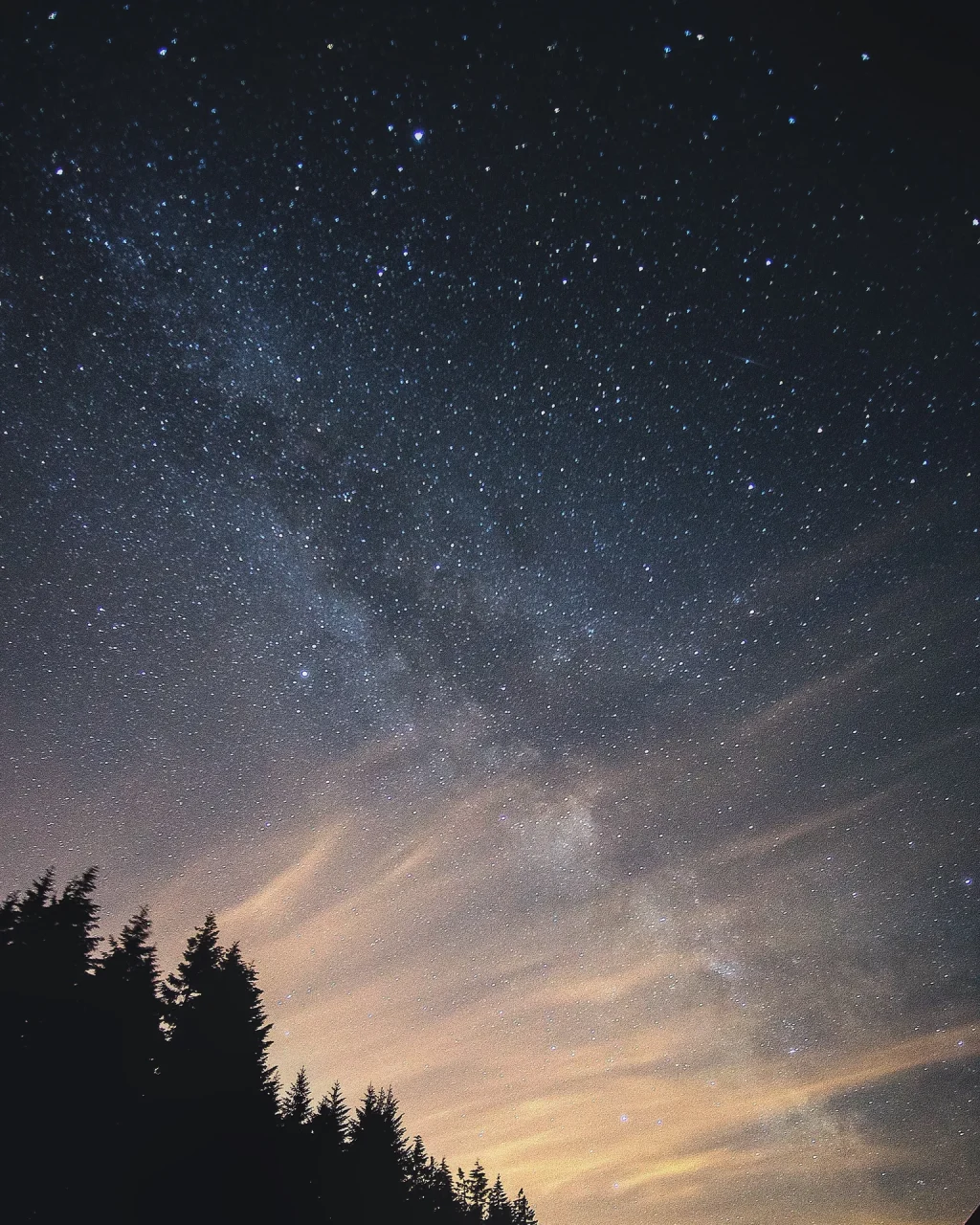
The poem’s most compelling choice is to address solitude as though it were a lover. The opening resembles a romantic memory—fresh air, a packed suitcase, a guitar, open arms—but the beloved is gradually revealed as…
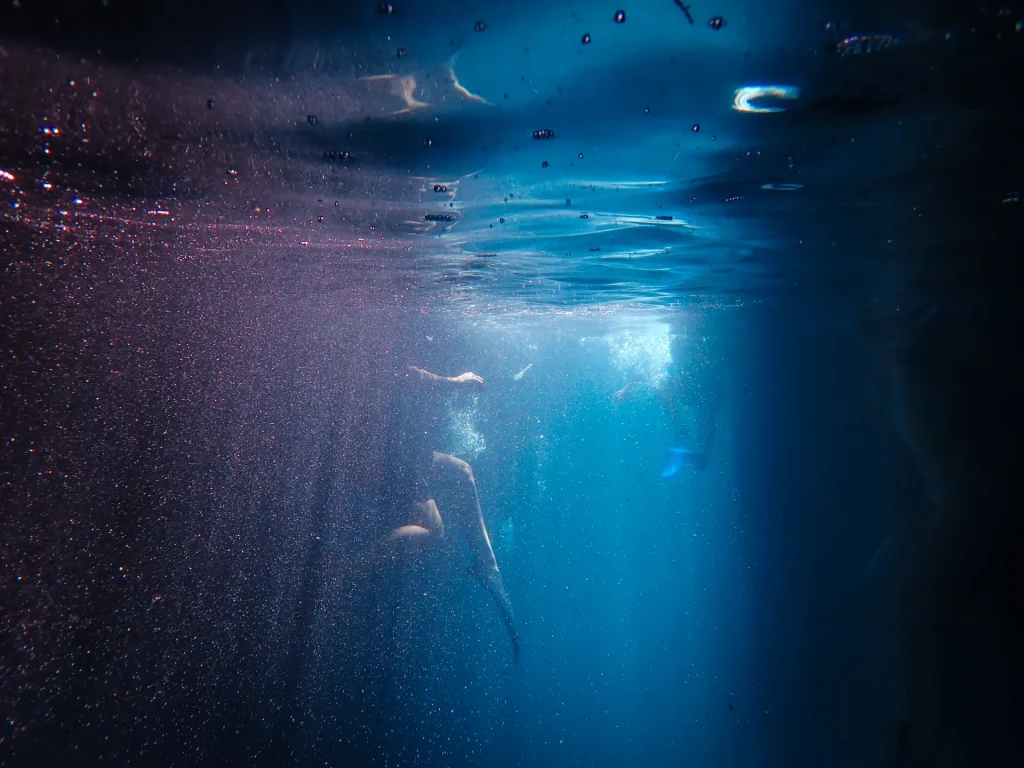
The poem moves through three awakenings, each one deepening the speaker’s encounter with love: first as longing, then as chaos, and finally as transformation. The repeated act of waking suggests that love is less a…

“Abstract Reality” investigates the distance between perception and truth. The speaker cannot find his own soul and warns that truth cannot simply be sought as an external object. Reality “hits hard” because what…
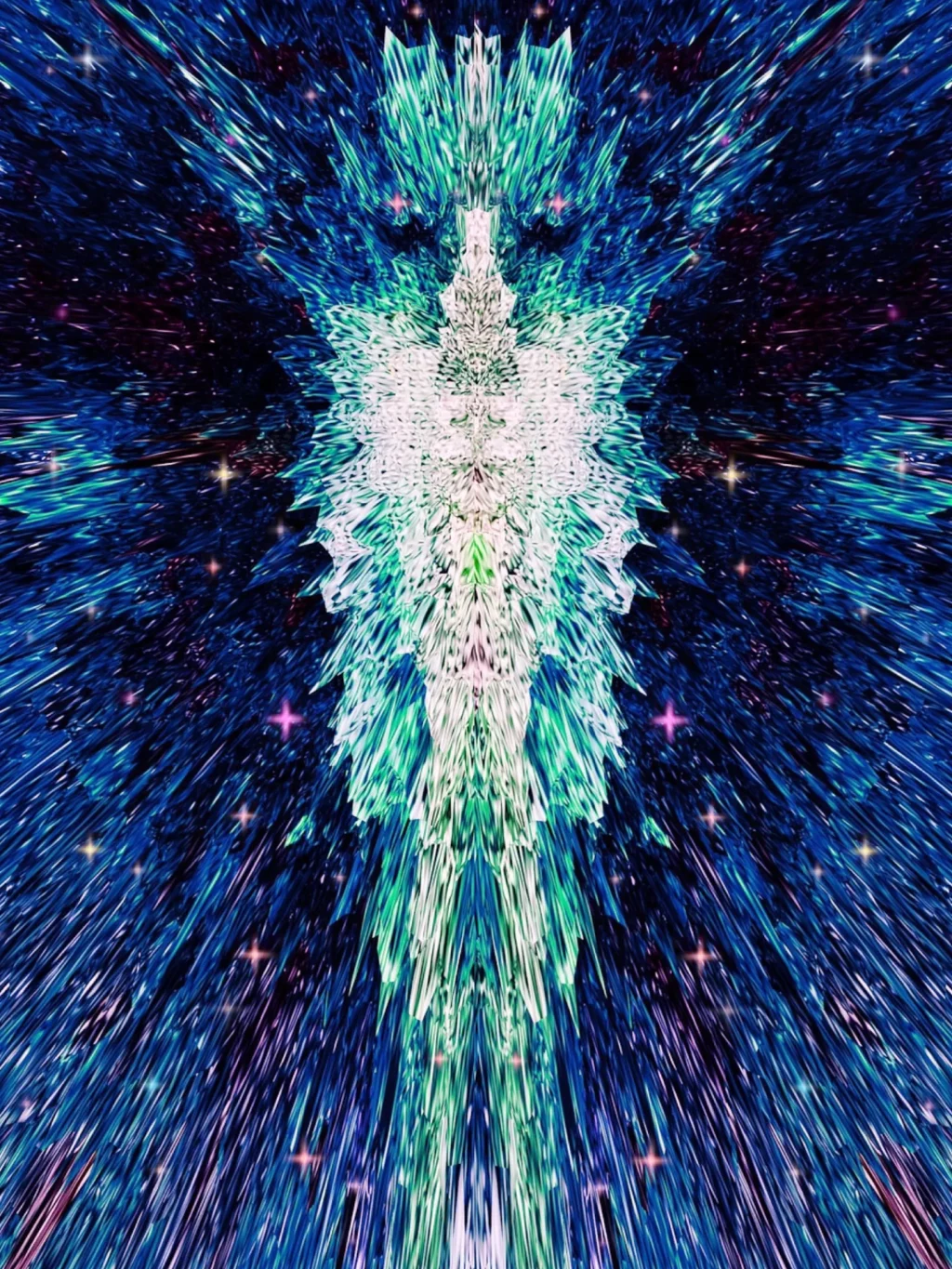
The poem places private fragmentation inside a field of overwhelming light. The speaker is not breaking in darkness but among “millions of lights,” where everything is visible and perhaps theatrical. The shattered moon…

Este breve texto ofrece gratitud a las pasiones precisamente porque son complicadas y temporales. No intenta convertir el placer en algo puro o eterno; lo honra por su capacidad de despertar la vida mientras dura. Esa…
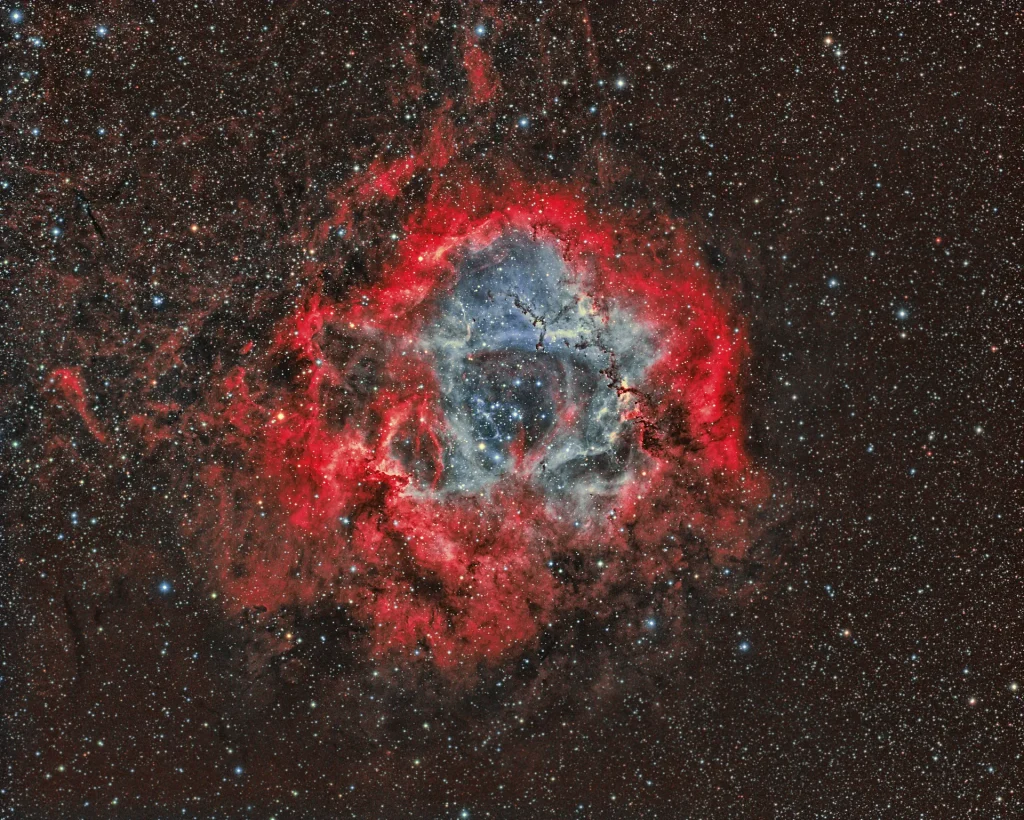
“Color Blind” is a poem about trying to perceive the deepest part of another person when ordinary sight is no longer enough. The beloved’s inner thoughts appear as flawless petals, a melody between lines, and a memory…
El poema convierte un cuarto silencioso en una cámara interior donde la ausencia permanece intacta. Aunque el sentimiento es gris y el pensamiento austero, el “tú” sigue presente como una idea de cristal: bello,…
“Moonlight Dawn” lives in a threshold: moonlight belongs to night, dawn to beginning. That impossible meeting of times mirrors the emotional condition of the speaker, who delights, sings, cries, and dies beneath the…

The poem turns a crossroads into a moment of inward recognition. At first, directions appear to lead outward, toward different futures. Then the speaker realizes that every arrow points back to “You.” Because “You” is…
“Vio” comienza en la multitud, pero su verdadero movimiento es hacia el interior. El silencio se rompe no por una declaración, sino por la respiración: antes que la palabra está el cuerpo, y antes que la explicación…