
Corrected Version
Tearing apart among millions of lights,
like the moon shattered away.
There go a thousand and one pieces
of feather-like softness,
pieces of the heart slightly touched by sea salt.
I thrive in pain
when time is obsolete.
I toast to sceneries,
the ones I mock as they swiftly change the moods of the audience.
It was a metaphorical act of pleasure,
a maneuver to place all the pieces of the puzzle together
in harmony and find truth.
Read the original, uncorrected text
Original Version
Tearing apart among million of lights
Like the moon shattered away
There go a thousand and one pieces
Of feather like softness,
pieces of the heart slightly touched sea salt
I thrive in pain
When time is absolete
I toast to sceneries,
the ones I mock as they swiftly change the moods of the audience,
it was a methaphorical act of pleasure,
a manouver to place all pieces of the puzzle together in harmony and find truth.
Literary Perspective
The poem places private fragmentation inside a field of overwhelming light. The speaker is not breaking in darkness but among “millions of lights,” where everything is visible and perhaps theatrical. The shattered moon becomes a mirror of the heart: one luminous body divided into a thousand pieces.
Those pieces possess “feather-like softness” and the taste or touch of sea salt. Feather, heart, moon, and ocean blend into an image that is both gentle and wounded. Sea salt can belong to tears as easily as waves, so the landscape and the body seem to grieve together.
“I thrive in pain” is not simply a celebration of suffering. It suggests that pain has become the condition under which the speaker creates, observes, and survives. When time is obsolete, emotional experience is no longer arranged neatly into before and after; the broken moment continues.
The audience and changing scenery reveal a self-conscious theatrical dimension. The speaker mocks the scenes that manipulate emotion, yet also performs a “metaphorical act of pleasure” by arranging the puzzle. Poetry becomes a maneuver for recovering harmony and truth from fragments, even while knowing that the arrangement is constructed.
The strongest aspect of the poem is this awareness that art both reveals and stages pain. The corrected version keeps its dense imagery while clarifying grammar. A future revision could decide whether the “audience” represents society, the beloved, or different parts of the speaker himself; each possibility deepens the tension between authentic feeling and performance.
This editorial reading is an interpretation, not a definitive statement of the author’s intent.
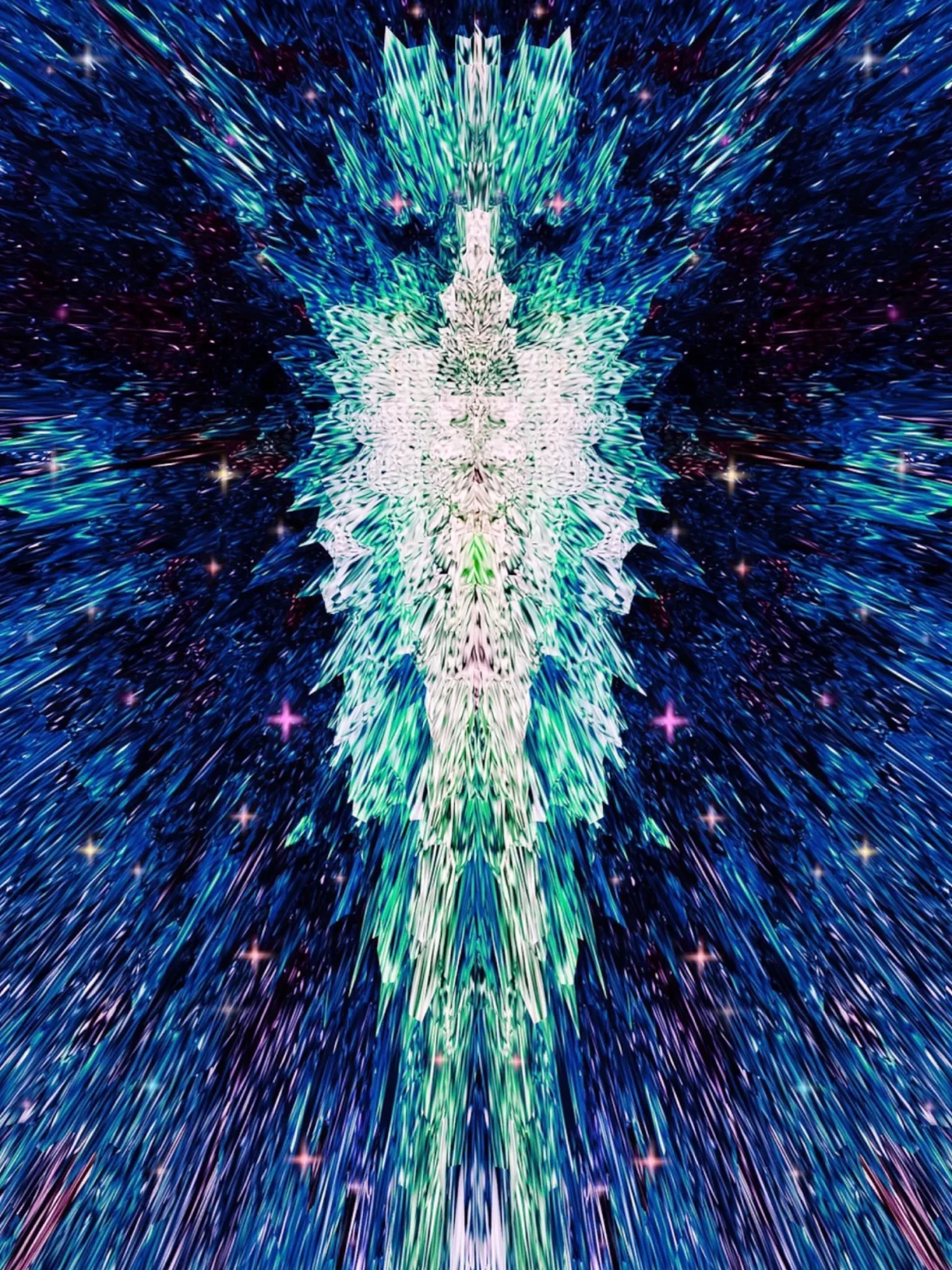
Featured image / Imagen destacada: wanaktek via Envato Elements — licensed via Envato Elements for A Poet’s Diary.


Sorry, the comment form is closed at this time.