
Corrected Version
Moonlight Dawn
°Unresting soul,
crying eye,
delights, sings, and dies
underneath the mask of a clown.
Wear a straight face
and never frown,
where senseless phrases connect
and words are drowned.
Swords are drawn,
precise at moonlight dawn.
The princesses are married,
gold and silver buried,
and one is crowned.
The heart bursts with euphoria,
birthing chaos.
Breath cycles through the lines,
a rising climax
of unsprung desire, cut short
by the rhythmic cycle of the waves,
splashing ashore, making sure there is no more…°
-R.R.R.
Read the original, uncorrected text
Original Version
Moonlight Dawn
°Unresting soul,
crying eye,
delights, sings, and dies
underneath the mask of clown
wear a straight face
and never frown
where senseless phrases connect
and words are drowned
swords are drawn
precise at moonlight dawn
the princesses are married
gold and silver buried
and one is crowned
the heart bursts with euphoria
birthing chaos
breath is cycling through the lines
uprising climax
of unsprung desire cut short
by the rhythmic cycle of the waves
splashing ashore making sure there is no more…°
-R.R.R.
Literary Perspective
“Moonlight Dawn” lives in a threshold: moonlight belongs to night, dawn to beginning. That impossible meeting of times mirrors the emotional condition of the speaker, who delights, sings, cries, and dies beneath the same mask. The clown’s straight face is a powerful image of performed composure—the demand to appear controlled while the private soul remains restless.
The poem then expands from one masked person into a nearly mythic ceremony: swords are drawn, princesses marry, treasure is buried, and someone is crowned. Marriage, burial, and coronation are all rites of passage. Placed together, they suggest that every gain carries a loss and every public celebration conceals something surrendered underground.
The heart “bursts with euphoria,” but its overflow births chaos. This is psychologically perceptive: intense joy can be destabilizing because it opens the heart beyond its defenses. Breath moving through the lines gives the poem a bodily rhythm, while the waves cut desire short and return everything to a cycle larger than the individual. The closing shore can feel like release, exhaustion, or erasure.
The musical chain of “drowned / drawn / dawn / crowned” is one of the poem’s strongest craft elements; sound becomes the current carrying the images. The corrected version mainly gives the reader clearer pauses. A later revision might decide which ceremonial image is central, because the abundance is vivid but deliberately overwhelming—the same emotional overflow the poem describes.
This editorial reading is an interpretation, not a definitive statement of the author’s intent.
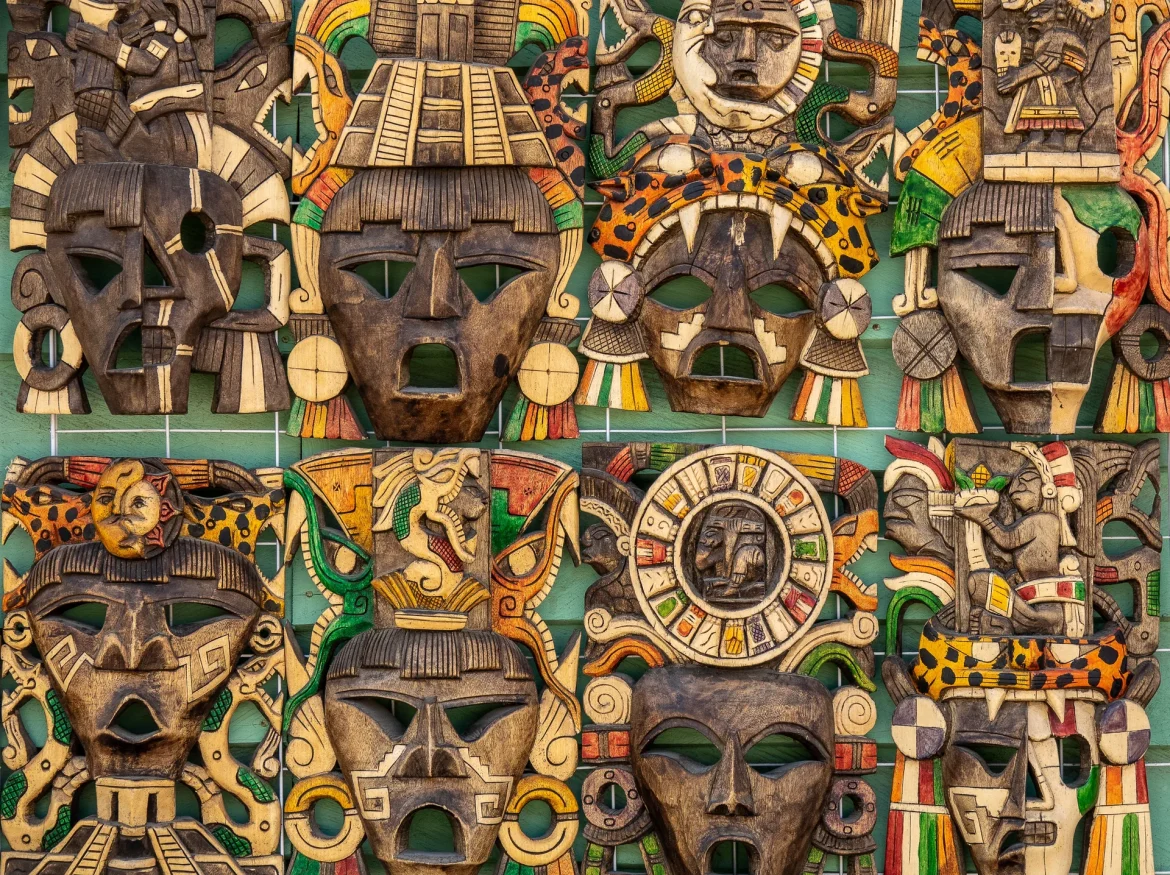
Featured image / Imagen destacada: wirestock via Envato Elements — licensed via Envato Elements for A Poet’s Diary.

Sorry, the comment form is closed at this time.